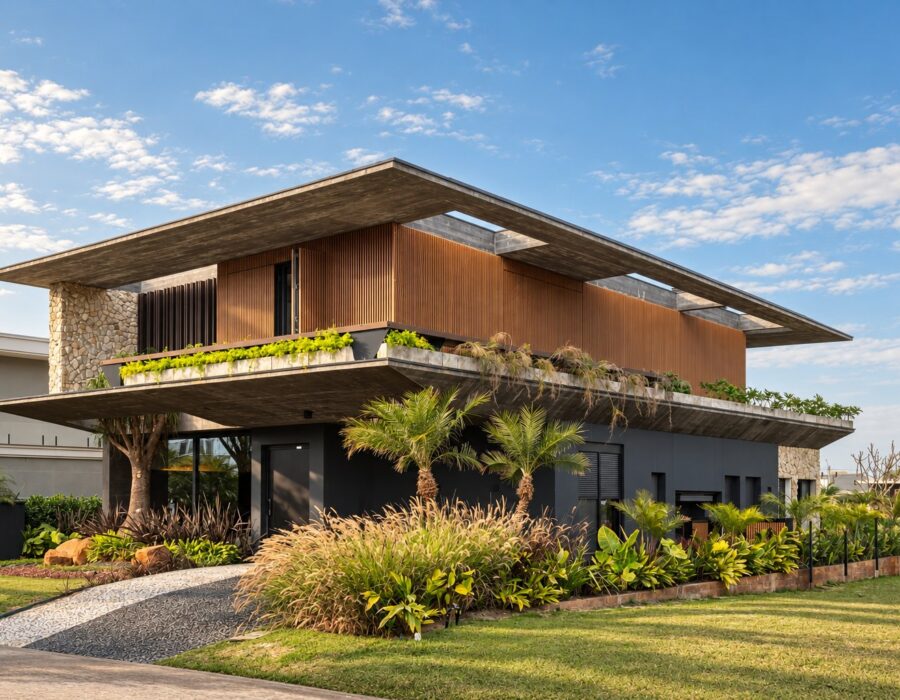
Houses
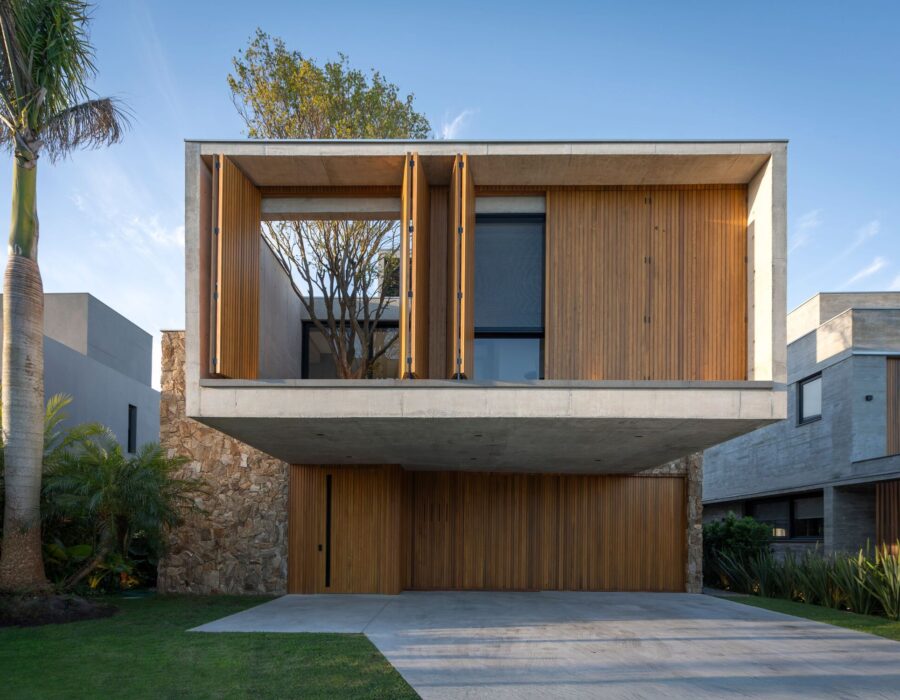
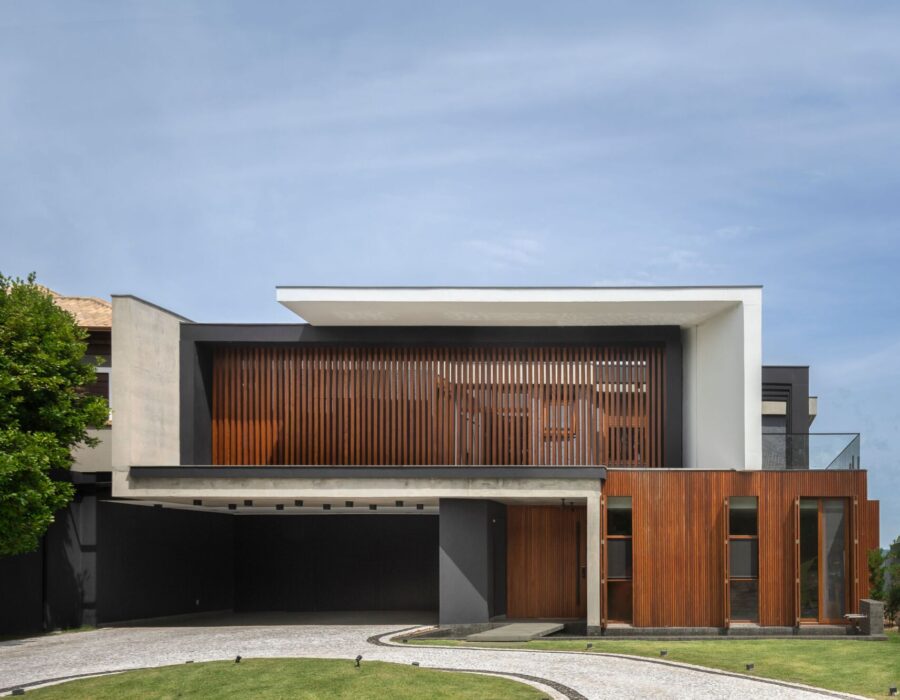
Casa Ocean
On request
CJC Imóveis is a licensed brokerage based in Sertãozinho, in the interior of São Paulo state, 20 km from Ribeirão Preto. Each listing identifies the source and date of available commercial data. When a registration has been issued, the page gives its number; missing or pending information is stated. Foreigners can own urban property in Brazil with the same rights as Brazilians — this site shows you what to check first.
Every price on this site has the date of the price list it came from; every “available” has the date of the developer’s sales map. What has no document says “on request”.
For transactions directly handled by CJC, the registry certificate (matrícula), the developer’s subdivision or condominium registration, municipal tax status and condominium debts are reviewed with you on a video call, in English, before any reservation.
A Brazilian tax number (CPF), a power of attorney signed at a consulate or apostilled, and a foreign-exchange contract through a Brazilian bank. The deed and the registration follow. We coordinate each step with your lawyer.


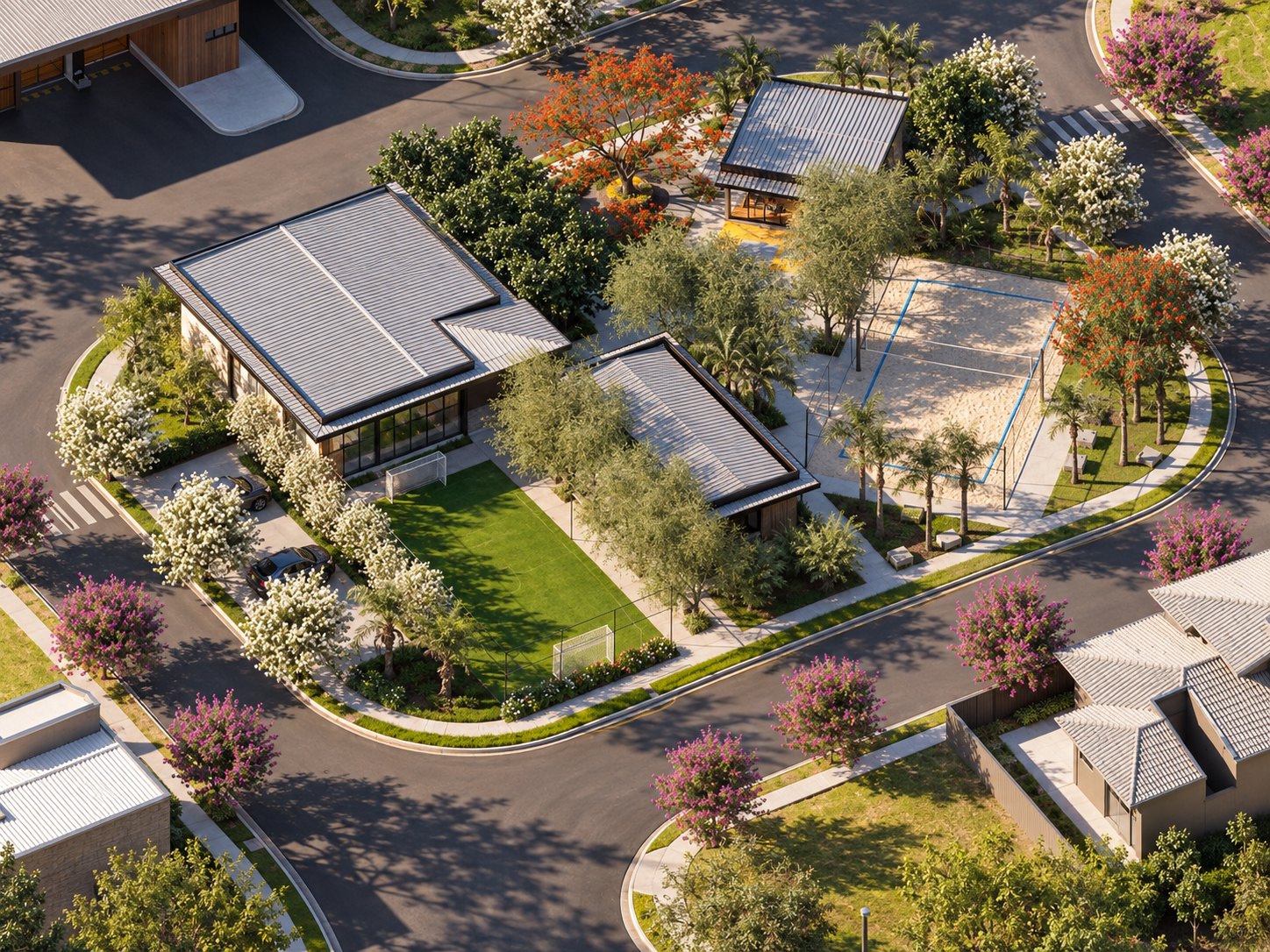
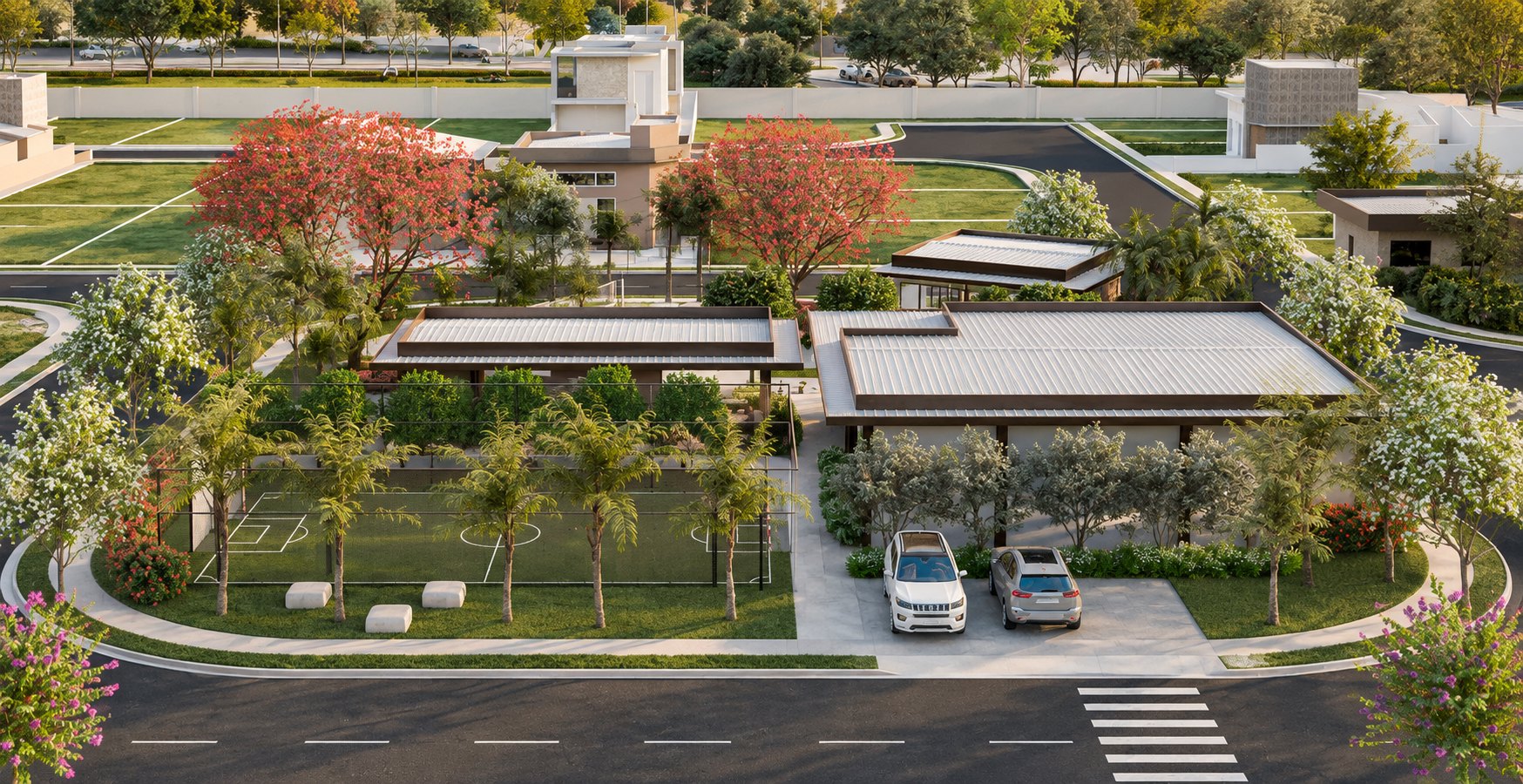
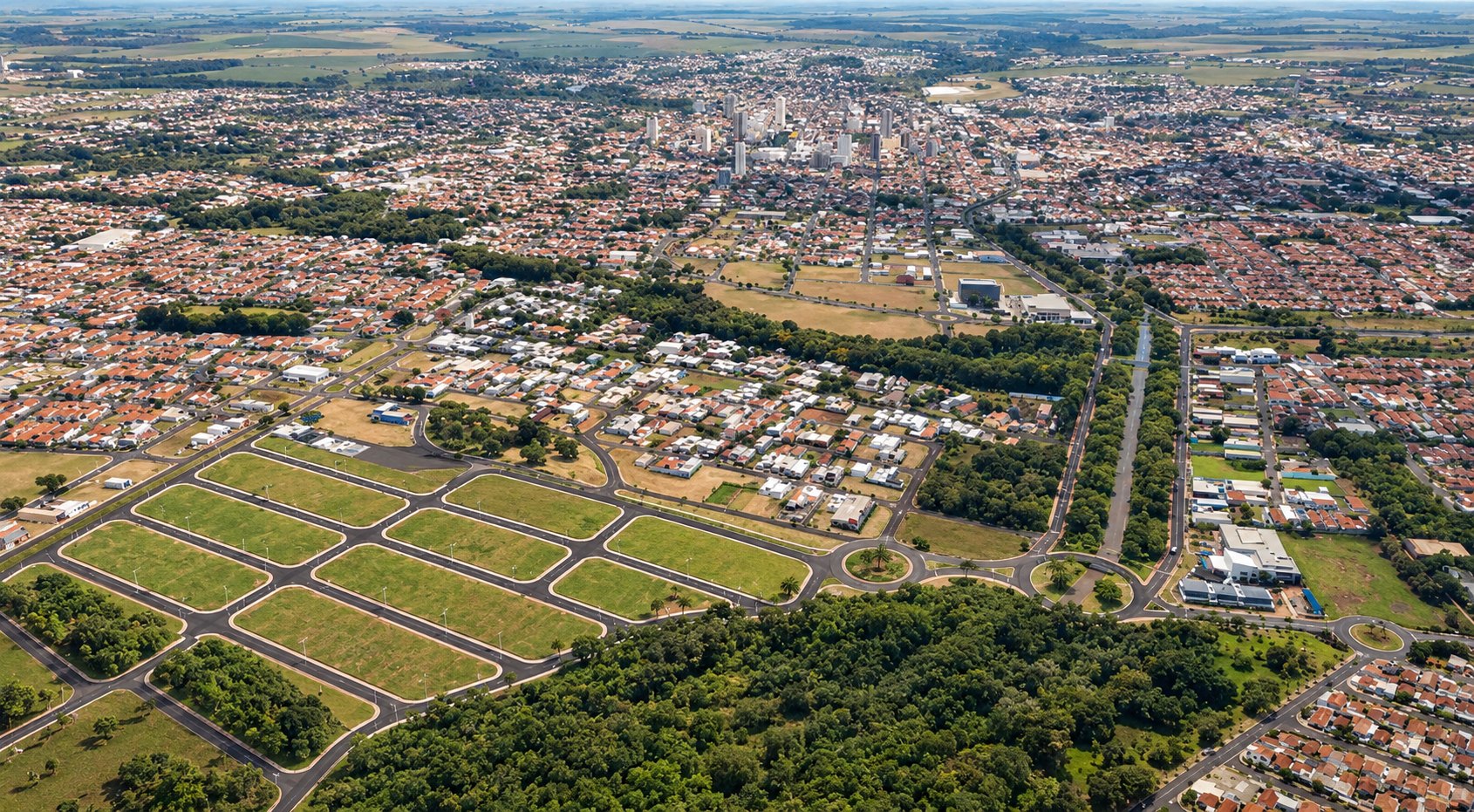


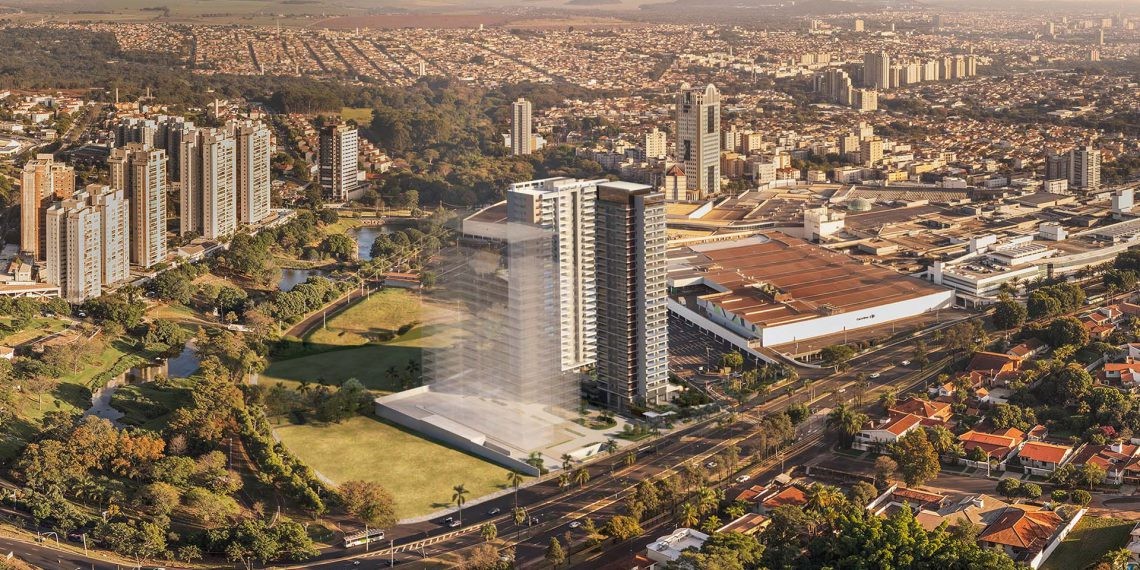


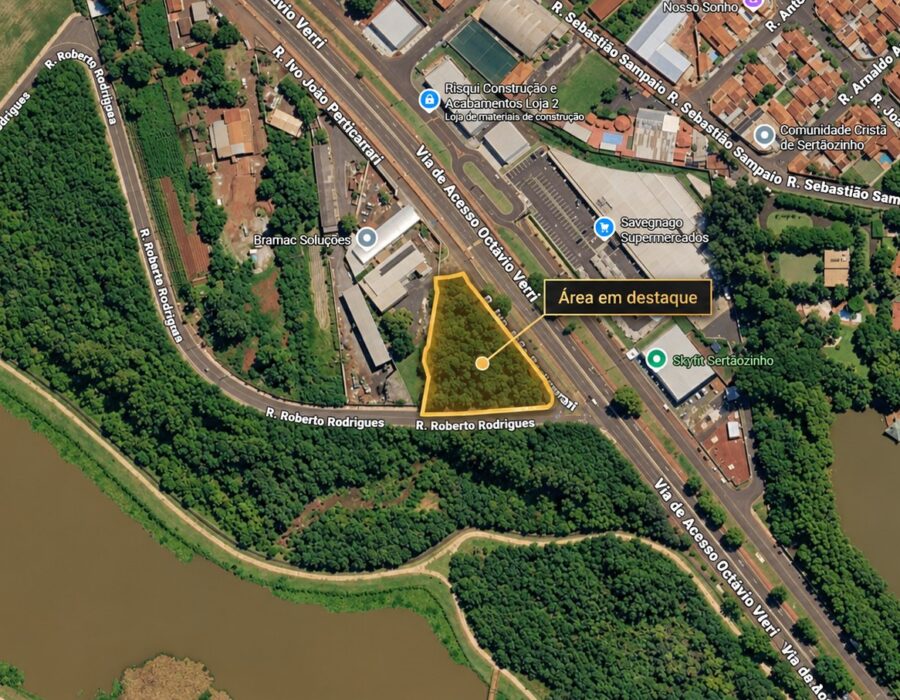 Jardim Lopes da Silva
Yes. Non-residents can own urban property — apartments, houses, lots, commercial units — with the same rights as Brazilians. You need a Brazilian tax number (CPF), a valid passport and, if you are not present, a power of attorney. The exception is rural land, which has limits and authorizations for foreigners.
No. The purchase can be signed through an attorney-in-fact in Brazil, with a power of attorney granted at a Brazilian consulate or notarized in your country and apostilled. Brazilian notaries also accept video-conference signing through the e-Notariado platform. The visit is recommended, not required.
Typically 3% to 5% of the price: the municipal transfer tax (ITBI, usually 2% to 3%), notary and registry fees set by state tables (around 1% to 1.5% for most values) and, if you hire one, a lawyer for due diligence. Brokerage commission is owed by the party that hired the broker, unless the contract expressly allocates it differently. Confirm who pays it in writing before signing.
It can. Under Resolução Normativa CNIg 36/2018, a real estate investment of at least R$ 1,000,000 (R$ 700,000 in the North and Northeast regions), paid with funds from abroad, qualifies the buyer for a residence permit. Conditions and renewals apply; an immigration lawyer handles the application.
Brazilian reais (R$). Your bank converts the transfer through a foreign-exchange contract at the day’s rate. The exchange rate cuts both ways: it is part of the decision, and we say so on every call.
Write in English or Portuguese. We reply within one business hour with the next step — a call, a shortlist, or the documents of a listing you already chose.
Contact CJC Our team replies in English and Portuguese.